
Why Does Regular Roof Maintenance Make a Difference?
Regular roof maintenance offers more than just peace of mind—it helps prevent small issues from turning into major, costly repairs. In Buffalo, NY, roofs are exposed to dramatic seasonal swings, lake-effect snow, heavy rain, and freeze-thaw cycles. Overlooking routine check-ups and care can accelerate wear and may lead to leaks, mold growth, ice dams, and structural damage. Regular maintenance helps spot problems early when solutions are simpler and less expensive.
How Does the Local Climate Affect Roofs?
The unique weather patterns in the city put roofs to a tough test. Roofs here endure prolonged periods of snow accumulation, intense temperature shifts, high winds, and ice that can push materials to their limit. Shingles may curl or crack from repeated freezing and thawing, and gutters can fill with ice, causing water to back up beneath roofing material.
Unchecked, these conditions may result in:
- Ice dams forming at the roof edge, trapping water under shingles
- Hidden leaks that show up as stains or drips inside the attic or ceilings
- Shingles or flashing and seals loosening due to high winds or heavy snowfall
Routine maintenance helps homeowners identify and address these climate-specific threats before they result in major headaches.
What are Common Maintenance Tasks and What Do They Prevent?
In most area households, simple seasonal checks are highly effective. These tasks often include:
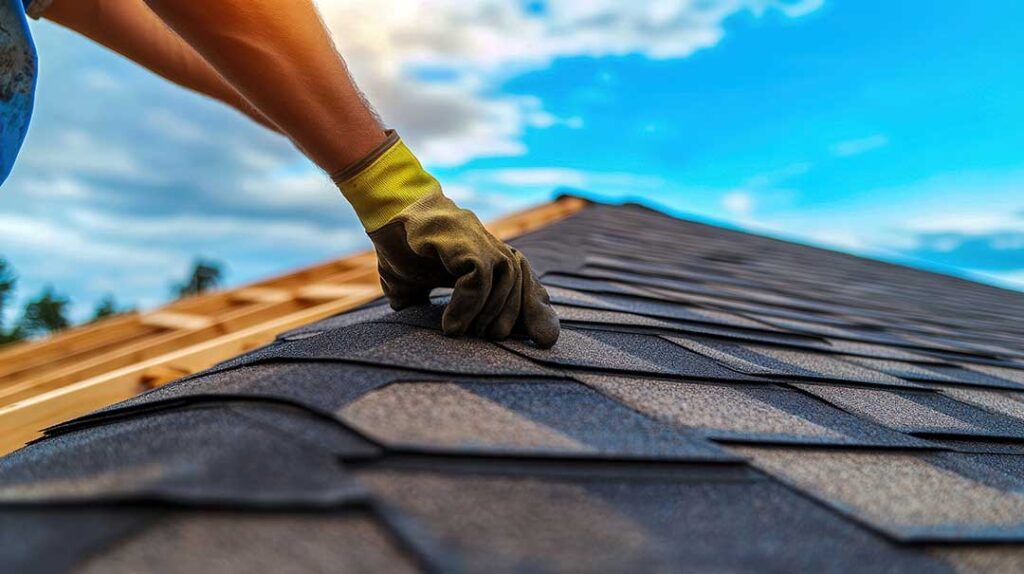
- Inspecting shingles for cracks, loss of granules, curling, or gaps
- Clearing debris from gutters and downspouts so melting snow and rain can flow freely
- Checking attic ventilation and insulation to prevent ice dams and moisture buildup
- Looking at flashing around chimneys and vents for signs of dislodging or cracking
- Removing moss or algae before they compromise the roof surface
Each of these actions helps prevent water intrusion, siding damage, and premature aging. For example, unclogged gutters direct meltwater away from foundations and siding, while replacing a few cracked shingles can avert a major leak.
How Does Maintenance Affect Roof Longevity and Safety?
A well-maintained roof typically lasts several years longer than a neglected one—sometimes even a decade or more, depending on material. This extended useful life means fewer full-roof replacements over time, translating to real savings. Roof maintenance also reduces the risk of sudden failures during severe winter storms, which can be dangerous if water leaks reach electrical wiring or weaken roof structure.
Locally, with winds off the lake and heavy snow loading, ongoing care can help ensure that roofing stays secure and buildings remain safe and dry year-round.
Can Small Roofing Problems Become Big Ones?
Small issues, if ignored, often lead to widespread damage. For example, a single missing shingle can leave a vulnerable spot where water seeps below the surface. Over time, this moisture damages wood decking and, eventually, the home’s interior. In Buffalo’s climate, water trapped inside attics during freezes can also create mold and staining—problems that are much more costly to remedy than replacing a handful of compromised shingles early.
How Often Should Maintenance Be Done?
Twice a year is typical in the local community: once in early spring after snow has melted, and again in fall before winter returns. Additional checks are useful after significant wind events or hail. Some homeowners include an inspection after unusually heavy rains or if unexplained stains appear indoors.
Waiting several years between inspections may seem harmless but can leave problems undetected until they are much harder and more expensive to fix.
Are There Roof Maintenance Myths or Misconceptions?
Several well-meaning myths can leave local homeowners exposed to risk:
- Believing new roofs need no maintenance for many years—minor issues can develop in just a season due to severe weather
- Assuming roof granules in gutters always mean replacement is needed—occasional granule loss is normal, but a sudden increase may signal trouble
- Thinking moss or algae are only cosmetic—these organisms hold moisture against the surface, speeding up material breakdown
Fact-checking assumptions with reputable educational resources, rather than relying on word of mouth, helps area residents avoid unnecessary repairs and identify real risks.
What Signs Suggest Immediate Attention is Needed?
While scheduled maintenance is helpful, some warning signs should not be ignored:
- Sagging or soft spots that indicate hidden water damage
- Persistent ice dams on the roof edge in winter
- Visible daylight through attic boards, signaling gaps or holes
- Multiple missing or severely damaged shingles concentrated in one area
If any of these are present, roofs may already be vulnerable to serious leaks or even partial collapse under heavy snow. In such cases, prompt inspection is advised to protect both the building and its occupants.
How Can Residents Make Roof Maintenance Easier?
For many households in the city, creating a simple checklist and storing seasonal reminders on a calendar are all it takes to stay on track. Involving household members in a seasonal routine—such as checking gutters, looking for debris, and observing ceilings for leaks—makes minor upkeep manageable and often prevents surprise emergencies. Using a pair of binoculars for visual checks from the ground can also reduce the need for risky rooftop climbs.
