
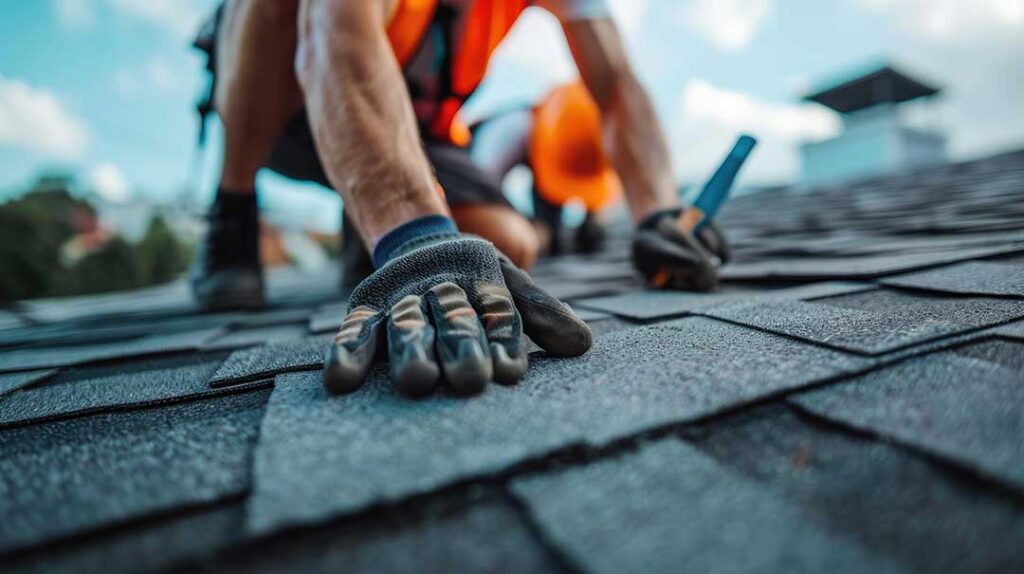
Why Are Roof Inspections Important for Buffalo, NY Homeowners?
In Buffalo, NY, seasonal weather changes make roof condition a central concern for area homeowners. Proper roof inspections help prevent water damage, heat loss, and unexpected repair expenses by identifying small issues before they escalate.
Given the city’s heavy snowfall, icy winters, and freeze-thaw cycles, unaddressed roof problems can lead to leaks, ice dams, and even structural complications. Inspections are especially valuable before winter and after major storms, but regular visual checks throughout the year can also protect homes from hidden damage.
What Should a Roof Inspection Include?
A thorough roof inspection should cover all major components visible from both the ground and accessible surfaces. While some tasks require caution or special equipment, many aspects can be safely evaluated by homeowners with binoculars from the yard or sidewalk.
Key elements to review:
- Shingle condition: Look for curling, cracking, blistering, bald spots, or missing shingles.
- Flashing: Inspect metal strips at chimneys, skylights, and valleys for rust, gaps, or lifting edges.
- Gutters and downspouts: Check for clogs, sagging, or detachment, as blocked gutters can cause ice dams in winter.
- Soffits and fascia: Search for rot, staining, or pest activity along the roof’s edge.
- Attic: From inside, look for water stains, sunlight through the decking, or damp insulation.
- Moss and algae: Green patches on shingles in damp or shaded areas can accelerate roof wear.
- Debris buildup: Leaves, branches, or snow piles can hold moisture against shingles and speed up deterioration.
How Often Should Buffalo Residents Inspect Their Roofs?
Buffalo’s climate calls for specific inspection timing:
- Late fall, before heavy snow covers potential trouble spots
- Early spring, after snowmelt reveals any damage from ice or cold
- After major wind or hail storms, which are common in local transitional seasons
A general visual check every few months is a good habit for identifying obvious issues, but more careful attention is needed at season changes.
What Are Common Roofing Problems in Buffalo Homes?
Local homes experience issues related to both age and climate. Some common problems include:
- Ice dams: Heavy snow melts and refreezes at the roof edge, causing water to back up under shingles.
- Shingle granule loss: Grit in gutters is a sign of aging shingles, which are especially vulnerable after harsh winters.
- Damaged flashing: Repeated freeze-thaw cycles loosen or crack flashing, especially around chimneys.
- Moss and algae: Frequent in neighborhoods with tree cover and humid summers.
- Structural sagging: Long-term snow loads may create slight depressions in older roof planes.
Ignoring these can lead not only to leaks but also to long-term structural wear.
Can Homeowners Inspect Their Own Roofs Safely?
Many elements can be checked from the ground with good lighting, binoculars, and care. Climbing on the roof is not recommended for typical homeowners due to safety risks, especially in icy or wet conditions common to the city.
Safety tips:
- Never climb on steep, icy, or debris-covered roofs.
- Use a sturdy ladder only on firm, level ground.
- Inspect after snowmelt, not during heavy accumulation.
- Protective eyewear and gloves add safety, especially when clearing debris.
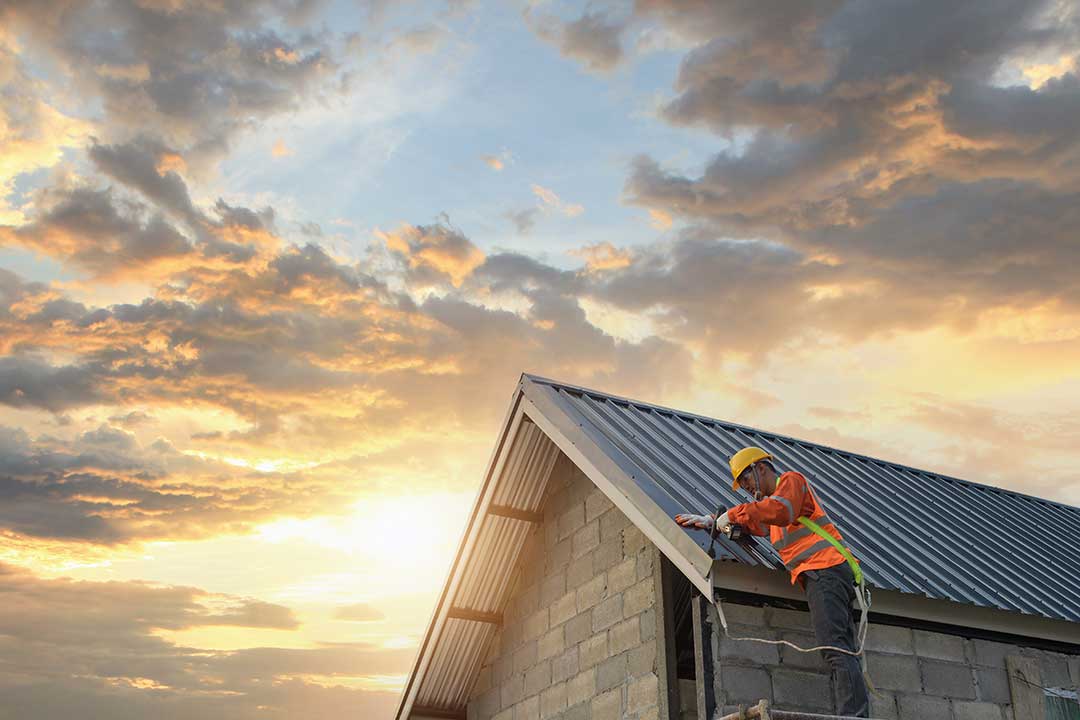
Limit hands-on tasks to basic cleaning or spot-checks from a ladder. Anything requiring walking on the roof or adjusting major components should be left to those with specialized training or equipment.
What Signs Suggest a Roof Needs Immediate Attention?
Some warning signs from a casual inspection signal the need for prompt action:
- Patching or ponding water on visible roof areas
- Multiple missing or severely warped shingles
- Sagging gutters or detached downspouts causing water overflow near the foundation
- Daylight visible from the attic
- Large patches of moss or algae that seem to penetrate shingle surfaces
- Any sign of new water stains forming on ceilings or attic rafters after rain or melting snow
These often indicate leaks, insulation problems, or potential for sudden failure—timely response is necessary to limit damage.
Does Local Climate Affect Roof Longevity and Inspection Needs?
Yes—Buffalo roofs are subject to stresses not found in milder climates. Winter’s weighty snow, frequent freeze/thaw cycles, and occasional windstorms all increase the rate at which roofing materials wear out. Homes with mature trees nearby may also see more debris and moss. Materials that withstand temperature swings and moisture fluctuations tend to last longer but still need regular checks.
For many local homes, roofs need more frequent observation as they reach 15-20 years of age, even if no leaks are apparent.
Are There Local Regulations or Recommendations for Roof Inspections?
The city does not mandate regular residential roof inspections unless related to property sales or significant renovations, but area building code requires roofs to be maintained to prevent hazards such as falling debris or interior water damage. Homeowner insurance policies may also include clauses denying claims for unreported or neglected roof problems.
Routine self-checks, especially after storms, help fulfill a homeowner’s responsibility to keep the property safe and habitable under local ordinances.
What Are Some Overlooked Factors During a DIY Roof Inspection?
Homeowners may miss less obvious issues, such as:
- Ventilation blockages: Look for clogged or poorly positioned vents, which can trap warm air and cause ice damming.
- Shingle alignment: Even subtle misalignments can point to installation errors or shifting caused by previous storms.
- Sealant wear: Caulking and roofing cement may shrink or crack in cold weather, especially around flashing and vent pipes.
- Fastener pop-ups: Nails backing out of shingles or flashing are early signs of material movement or roof deck shifting.
Documenting findings with photos can help track changes and supply a record for insurance or warranty questions in the future.
