

What Does Roof Ventilation Actually Do?
Proper roof ventilation allows air to move in and out of attic spaces, creating a balanced environment under your roof. The right combination of intake (usually at the eaves/soffits) and exhaust (at or near the roof peak) vents helps control temperature and moisture, which is especially critical in climates like Buffalo, NY that see long, snowy winters and warm summers.
Ventilation helps maintain consistent indoor temperatures and improves the lifespan of roofing materials by reducing extreme heat buildup in summer and minimizing moisture-related damage during winter. This balance keeps homes more comfortable and helps prevent issues that often surprise local homeowners.
Why Is Roof Ventilation Important in Buffalo, NY’s Climate?
Buffalo’s climate makes roof ventilation particularly crucial due to its heavy snow loads and large temperature swings. In winter, poorly ventilated roofs easily develop ice dams, a common nuisance in the area. When attic spaces are too warm from trapped, rising heat, snow on the roof melts and then refreezes at the eaves, forming a dam that allows water to back up and potentially leak into the house.
In summer, attic temperatures can soar, even if the air outside feels moderate. Without enough ventilation, this heat can transfer into living spaces, increasing cooling costs. Over time, extreme heat can also degrade roofing materials, causing shingles to curl or lose their protective granules prematurely.
What Problems Happen Without Enough Ventilation?
Roofs without adequate ventilation often experience:
- Ice dams causing water leaks and ceiling stains
- Premature aging of shingles and roof decks
- Mold, mildew, or wood rot in attic areas due to excess moisture
- Increased energy bills from heat buildup in both summer and winter
- Unpleasant attic odors drifting into living spaces
Many local residents are surprised to learn that even newer homes or recently replaced roofs can face these problems if ventilation was not properly addressed during installation.
How Should Proper Ventilation Be Set Up?
A properly ventilated roof includes both intake and exhaust vents working in tandem. Building codes in Buffalo, NY typically recommend a minimum net free vent area (NFVA) of 1 square foot of ventilation for every 150 square feet of attic floor space, split evenly between intake and exhaust. Intake vents are often located at the soffits, while exhaust vents are placed at the highest point of the roof, such as ridge vents.
For multi-story homes or those with complex rooflines, it’s important that each attic or unconditioned space has its own balanced ventilation system. Simply adding more vents is not always helpful—placement and air flow matter most.
Are There Common Ventilation Mistakes in Area Homes?
Yes, several missteps are seen in local homes:
- Blocking or covering soffit vents with insulation or debris, reducing airflow
- Only using exhaust vents without matching intake
- Mixing types of exhaust vents that can actually interfere with one another (e.g., combining ridge and box vents)
- Forgetting to verify older attic vents during roof replacement projects
Routine attic inspections can quickly identify blocked or insufficient ventilation, especially after heavy snowfall or storms.
How Can Homeowners Tell If Ventilation Is an Issue?
Signs of poor ventilation are often visible before serious problems occur:
- Icicles forming along roof edges and gutters after snowfalls
- Dark stains, mold spots, or musty smells in the attic
- Frequent roof repairs or roof surface that looks prematurely aged
- Higher than expected heating or cooling bills without changes in household habits
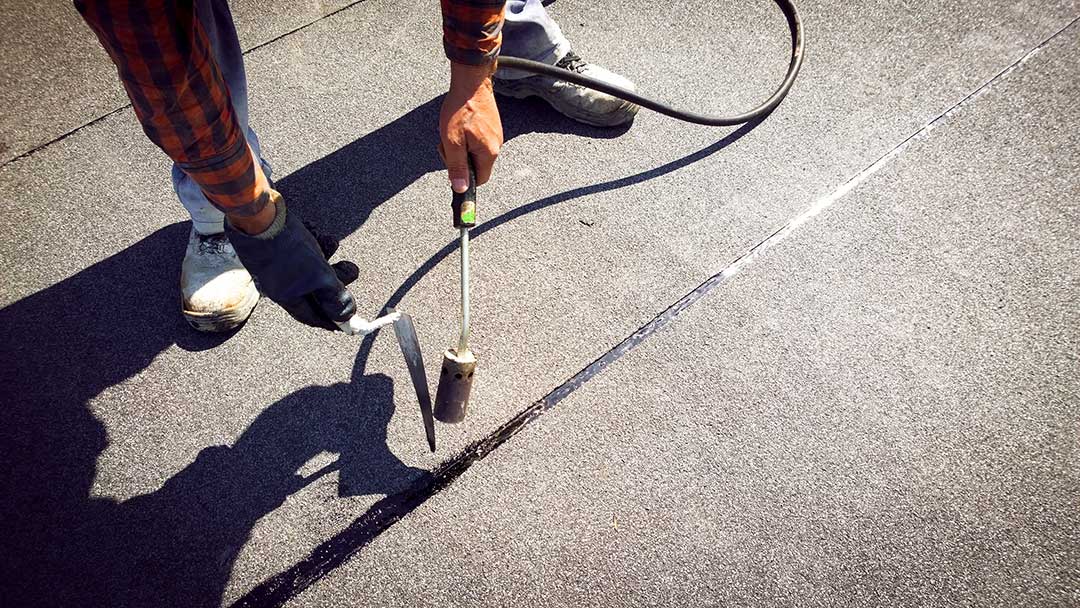
Attic inspections—especially after winter or thunderstorms—can help identify small issues before they become major repairs.
What Are Practical Steps for Better Roof Ventilation?
Residents can take several steps to maintain and improve attic airflow:
- Check that soffit vents are open, clean, and free of insulation blockages
- Verify exhaust vents (such as ridge or box vents) are unobstructed
- Consider adding baffles in the attic to help air flow from soffits to exhaust points
- Monitor humidity levels in living spaces and attic, especially during wet seasons
- After roof replacement or significant renovations, confirm the new system maintains a balance of intake and exhaust
Sometimes, local building inspectors may provide checklists or guidance for proper ventilation based on housing style and code requirements.
What Are Common Misconceptions About Roof Ventilation?
Many area households believe more is always better, but too many exhaust vents—or the wrong combination—can disrupt airflow and cause new issues. Another common myth is that ice dams are only caused by faulty shingles; in reality, attic heat and poor ventilation are the main culprits.
Some homeowners think newer roofs don’t need additional attention, but every structure ages differently based on use, insulation changes, and the unique challenges of Buffalo’s winter.
Are There Local Codes or Regulations to Consider?
Buffalo, NY’s building codes generally match national standards but may include additional guidance on ventilation for homes with complex roofs, cathedral ceilings, or unvented attic spaces. Before making major changes, it’s wise for homeowners to check the latest requirements or speak with city code officials to ensure compliance—particularly for additions, renovations, or when replacing the entire roof.
