
Why Does Roof Cleaning Matter for Buffalo, NY Homes?
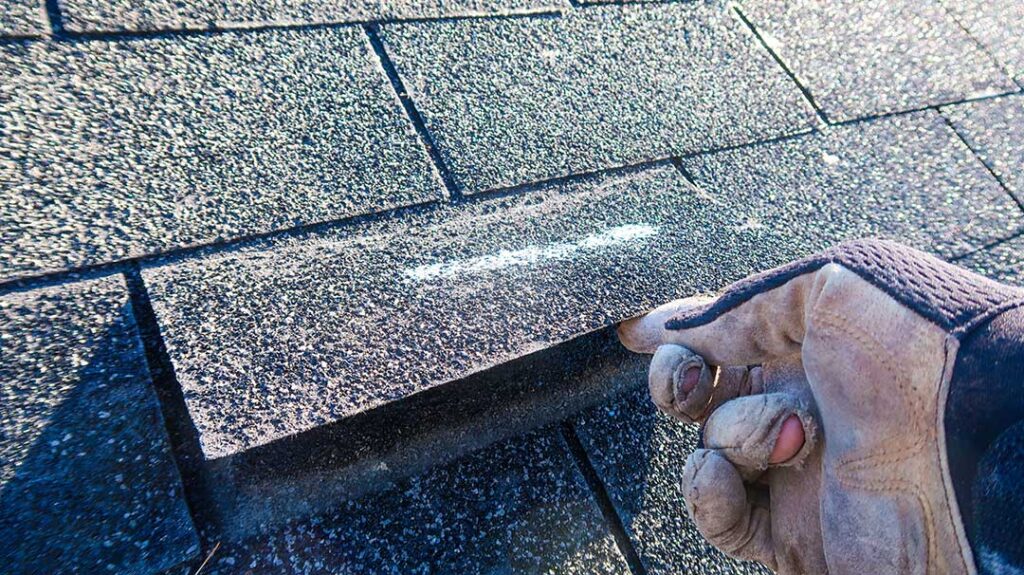
Roof cleaning is about more than curb appeal, especially in Buffalo, NY. Moss, lichen, mold, and algae grow easily in the region’s damp spring and fall, while the city’s heavy snows cause debris and tree litter to pile up. Over time, this buildup can damage shingles, shorten roof life, and contribute to ice damming—an especially common issue in the area’s winters.
Routine cleaning prevents excess moisture retention, reduces the risk of leaks, and supports healthy gutters. While some homeowners wait until the roof looks dirty, it’s easier to keep up with regular, careful maintenance. Most local roofs benefit from a gentle cleaning every 1-2 years, ideally during the late spring or early fall when the weather is dry but mild.
What Safety Precautions Should Be Taken Before Roof Cleaning?
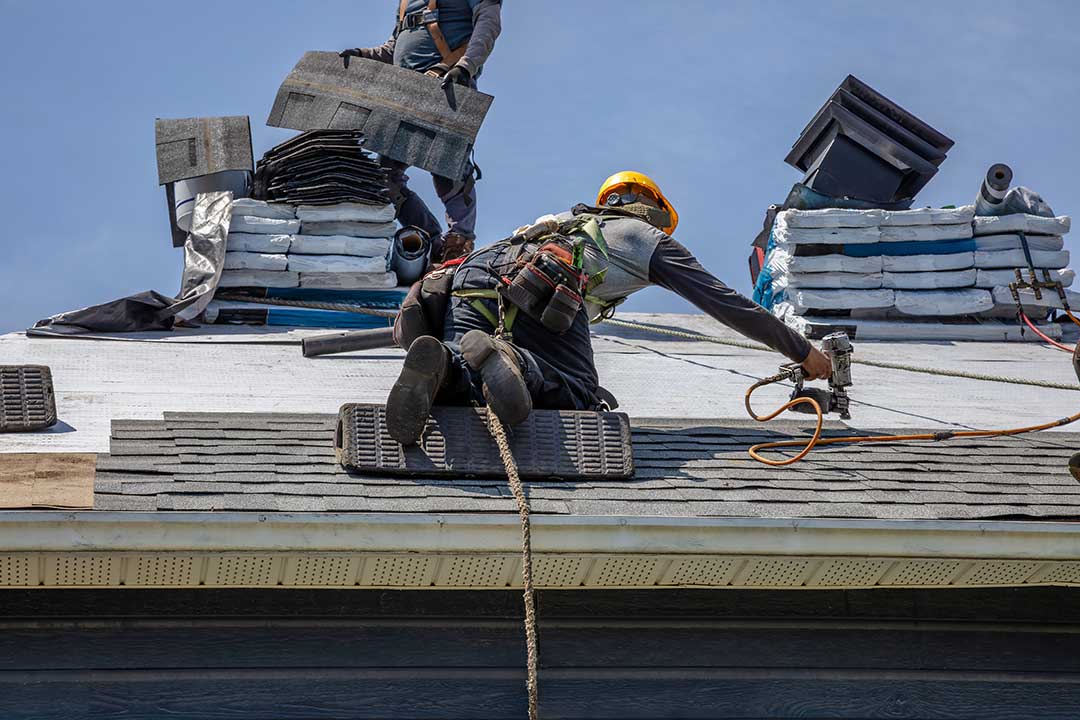
Safety is the top priority because working on a roof can be risky, particularly after snow, rain, or extended periods of moisture. Start by assessing both your comfort with heights and the steepness of your roof. Even on single-story homes, falls can cause serious injury.
Key steps before starting:
- Use a sturdy extension ladder placed on level, solid ground.
- Wear non-slip shoes with closed toes; roofing boots provide additional traction.
- Preview weather conditions and never climb onto a wet, icy, or windy roof.
- If your roof pitch is steep or the surface feels unstable, avoid climbing onto it entirely.
- Keep children and pets well away from the area.
- Avoid carrying heavy tools in hand; use a tool belt or safely rope up needed items.
Many homeowners clean the lower portions of the roof, gutters, and overhangs from a ladder rather than climbing onto the surface itself. This can reduce risk, especially for homes with moderate or low pitches common in much of the city’s housing stock.
What Tools and Supplies Are Needed?
Most Buffalo residents can safely clean an asphalt shingle or composite roof using items already at home. Avoid any harsh chemicals or power washing, as these can damage shingles and strip away essential protective granules.
Gather:
- A soft-bristled brush or broom with an extendable handle
- Garden hose with a spray nozzle for gentle rinsing
- Rubber gloves and safety goggles
- Plastic tarps or drop cloths to protect landscaping and catch larger debris
- Mild soap (such as diluted dish liquid, if needed)
- Moss and algae remover—only those specifically labeled safe for roofs (and following all label precautions)
Residents with metal or tile roofs should refer to the shingle manufacturer’s care guidelines or local building codes before using any cleaning solutions, as these materials can react differently.
How Should Moss, Algae, and Stains Be Dealt With?
The city’s mix of shade, humidity, and leafy trees means moss and algae are routine sights, especially on north-facing or shaded roof sections. These growths hold moisture against the roofing, risking deterioration over time.
To remove biological growth:
1. Sweep away loose debris and leaves with a soft brush, working downward to avoid loosening shingles.
2. Spot-treat moss and algae with a roof-safe cleaning solution, allowing it to sit per product instructions.
3. Gently brush away loosened material—do not pry or scrape hard, as this can break or lift shingles.
4. Rinse with low-pressure water, avoiding any power-wash setting.
Do not use bleach, ammonia, or other harsh chemicals, as they can harm both roofing materials and nearby landscaping when rinsed off. Repeated treatments may be needed for heavy growth, but patience is safer than vigorous scrubbing.
What About Cleaning the Gutters and Downspouts?
Gutters channel water away from the roof and foundation, so cleaning them is just as important as the roof surface itself. Clogged gutters are a primary cause of ice dams in Buffalo and can lead to costly leaks or siding damage during winter thaws.
When cleaning gutters:
- Put on gloves before removing leaves and debris by hand.
- Use a plastic scoop or small trowel for compacted material.
- Flush the channel with water, watching for slower drainage that may signal a blockage in the downspout.
- Check for loose fasteners or leaking seams and address minor repairs before heavier autumn rains.
- Keep downspout extensions clear and angled away from the house.
Some residents lay gutter guards in late fall to reduce leaf buildup over the winter, but these should be checked each spring for moss or small sticks wedged between slats.
What Are Common Mistakes to Avoid?
Several misconceptions can cause more harm than good:
- Avoid using pressure washers on asphalt shingle roofs. The intensity strips away protective granules.
- Don’t use wire brushes or abrasive pads; these can physically damage shingles and flashings.
- Never stand on wet or icy shingles.
- Beware of overusing cleaning solutions—excessive chemicals may create runoff issues and kill nearby plantings.
- Improper ladder placement is a major cause of injury; always secure yours and ask someone to spot you if unsure.
Frequently overlooked: Chimney flashing and valley joints are areas where leaves and gunk build up, and they’re easy to miss during a casual cleaning. Check these spots for effective drainage after washing.
When Should a Professional Be Considered?
While many residents can handle basic roof and gutter cleaning safely, certain situations call for extra caution:
- Very steep, tall, or complex rooflines.
- Loose shingles, visible leaks, or suspected structural damage.
- Homes where electrical lines are close to the roof surface.
- Mold or moss that’s widespread or recurs rapidly between cleanings.
- Medical or mobility challenges that make roof access unsafe.
In these scenarios, trained professionals have the equipment and experience to manage the work safely.
How Often Should Local Roofs Be Cleaned?
Due to a wet spring and abundant tree cover in much of Buffalo, annual cleaning is usually beneficial. Early fall is popular since most summer debris has fallen but freezing weather hasn’t arrived. For north-facing roofs or houses shaded by evergreens, a spring “refresh” after snowmelt also helps control moss and lichen.
Staying proactive reduces the need for heavy-duty cleaning and helps extend the lifespan of roofing materials found on area homes.
