
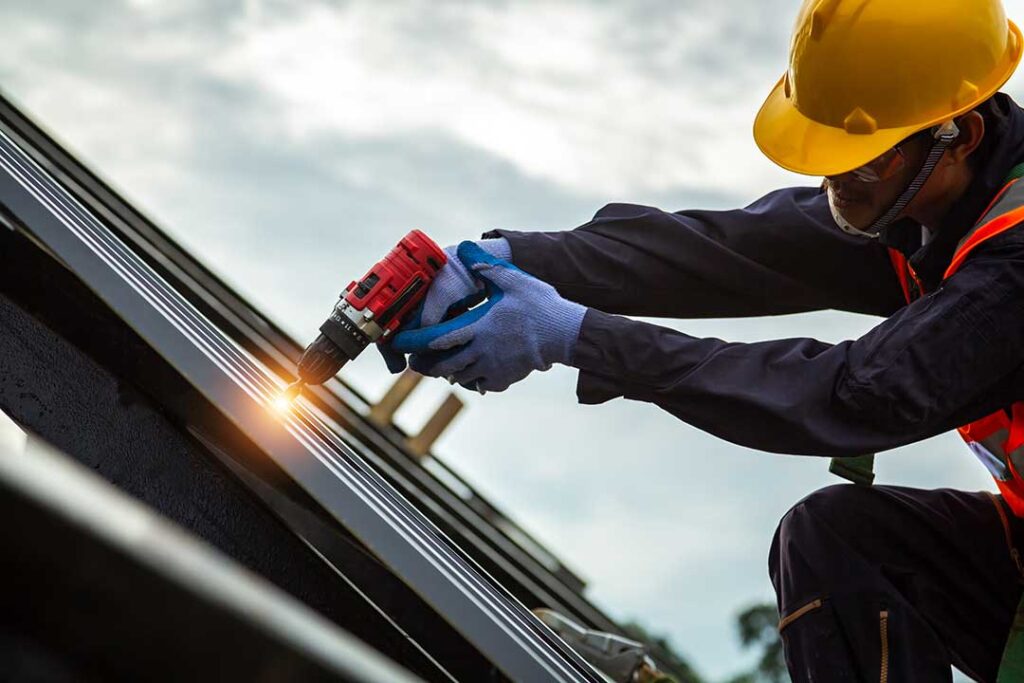
How Does Buffalo, NY’s Climate Affect Roofing?
Buffalo, NY’s weather plays a major role in roof durability, maintenance needs, and overall lifespan. Local homes experience dramatic seasonal shifts, from heavy lake-effect snow and ice to summer heat, rain, and high winds. This variety of conditions means the roofs here must withstand unique and sometimes extreme weather challenges that aren’t as common elsewhere.
Roofs in the city face frequent freeze-thaw cycles, substantial snow loads, wind gusts, and fluctuating temperatures. Each of these factors can influence how well a roof protects a home and when repairs or replacements may be needed.
What Happens to Roofs During a Buffalo Winter?
Snow and ice are two of the most demanding elements for local roofs. Buffalo winters regularly bring days of significant snowfall, and roofs are often expected to carry heavy, wet snow for extended periods. Here’s what happens:
- Snow load: Accumulated snow adds weight to a roof structure. While most residential roofs are built to code for typical snow loads, heavier-than-average snowfalls can stress older or poorly maintained roofs, potentially leading to leaks or structural sagging.
- Ice dams: When attic spaces lose heat, snow melts and then refreezes at the eaves, forming ice dams. These block water’s natural path off the roof, allowing it to back up and seep under shingles, sometimes causing rot, mold, or ceiling stains inside the home.
- Freeze-thaw cycles: The temperature swings from just above to well below freezing, causing water in small cracks or roof seams to expand and contract. This process can loosen shingles, widen gaps, and eventually result in leaks or visible damage.
How Does Spring Rain and Wind Affect Roofs Locally?
Buffalo receives steady rainfall throughout the spring, sometimes accompanied by strong winds coming off Lake Erie. For area households, this brings specific concerns:
- Water infiltration: Consistent or driving rain can find its way into even tiny breaches in roofing material, flashing, or vent seals. Unnoticed leaks often become obvious only after repeated rainstorms.
- Wind damage: Gusty conditions, especially during spring and summer storms, can lift siding, loosen shingles, or dislodge ridge caps. High winds may cause tree limbs to fall, which can puncture or scrape roof surfaces.
- Gutter overflow: Leaves, shingle granules, and debris from the last autumn and winter can clog gutters, preventing rainwater from draining safely. Overflowing gutters often allow water to back up against fascia boards or travel under shingles.
Do Buffalo Summers Create Roof Risks?
While winters get the most attention, warm months also affect roofing systems in the city. Buffalo summers are not as hot as in many parts of the country, but they bring their own set of issues:
Direct sun exposure, even with modest temperatures, can gradually age asphalt shingles, making them brittle and more likely to crack. Occasional heat waves may also accelerate thermal expansion and contraction in both shingle and metal roofs, stressing fasteners and seals.
UV rays, although less intense than further south, still break down roofing materials over the years—a process especially true for older roofs or darker-colored shingles. Brief but powerful summer thunderstorms may send wind-driven rain against vulnerable roof sections or loosen previously secure materials.
What Are Common Myths About Roof Durability in Buffalo?
Many residents believe thick roofs or extra shingle layers always prevent winter leaks or that all roofing materials handle local weather equally well. In reality:
- Multiple layers of shingles often trap moisture and do not improve durability against snow or ice damming—in fact, they may make leaks or repairs more complicated.
- Not all roofing products are designed for sustained snow, ice, or wind loads. Materials that perform well elsewhere may not last as long in Buffalo’s unique weather.
- Gutters and downspouts that appear clear from the ground may have hidden ice or debris that causes problems during rapid spring melt.
How Can Residents Spot Weather-Related Roof Issues Early?
Catching problems early reduces risks and repair costs. Residents often ask what to look for before issues become serious. Some practical tips include:
- From the ground, watch for missing, curled, or cracked shingles after storms or heavy winds.
- Check the attic periodically for discolored wood, a musty odor, or damp insulation, especially after snowstorms or heavy rains.
- Monitor ceilings for new stains or peeling paint, particularly near outside walls.
- Observe ice buildup along the roofline in winter. Persistent icicles may signal insulation or ventilation gaps.
- Listen for unusual noises (like loud drips or wind flapping) during rough weather.
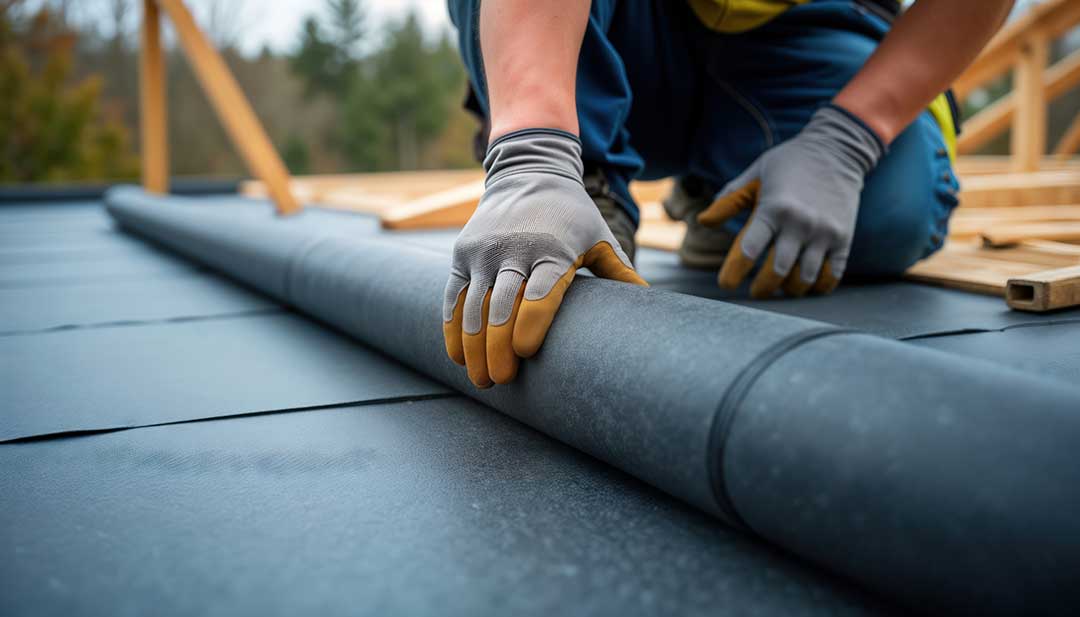
Seasonal maintenance—especially after large storms, heavy snow, or sudden ice—is a routine part of roof care in the community.
What Maintenance Habits Help Roofs Survive Buffalo Weather?
Regular attention can greatly extend a roof’s useful life in this climate. Common, non-technical tasks that area homeowners can safely manage include:
- Clearing debris from gutters and downspouts each spring and fall
- Removing leaves, twigs, and heavy snow accumulation with a roof rake (never while standing on a slippery, icy roof)
- Trimming back tree branches that overhang the roof and may drop debris or scrape the surface during windy days
- Checking and updating attic insulation and ventilation to minimize ice dams
For most households, simply staying alert to weather changes and checking for visible issues after storms can prevent more costly repairs later.
What Are Signs That Weather Damage Needs Immediate Attention?
Sometimes, roof issues go beyond routine wear and call for urgent action—particularly if safety, water intrusion, or visible structural concerns arise. Local residents should react quickly if they see:
- Sudden sagging in the roof deck or visible bowing from inside the attic or living spaces
- Water entering the home after a major thaws, storm, or during snowmelt
- Large patches of missing shingles or apparent holes caused by falling branches
In these cases, weather-related roof damage could lead to further structural problems or threaten household safety, making swift action essential.
