

How Does Your Roof Influence Home Energy Efficiency?
A roof is the most significant barrier between your living space and Buffalo, NY’s shifting weather. Its design, materials, and condition all contribute to how much energy your household needs to stay comfortable through winter storms and humid summers. In practical terms, a well-chosen and properly maintained roof can lower heating bills, reduce air conditioning needs, and maintain a steadier indoor temperature.
What Types of Roofing Materials Impact Energy Efficiency Most?
Not all roof materials perform the same way. In regions with heavy snow, big temperature swings, and both heating and cooling demands—like Buffalo—some materials offer clear advantages:
- *Asphalt shingles* are common due to affordability, but basic versions can absorb the sun’s heat in summer and lose warmth in winter unless installed with adequate insulation.
- *Metal roofing* reflects sunlight more effectively, which can help keep homes cooler in summer. Some coatings are designed to reduce heat transfer even further.
- *Slate and tile* are durable and provide moderate insulation benefits, though not all Buffalo homes are structurally able to support their weight.
- *Synthetic or composite shingles* can sometimes incorporate reflective coatings or added insulation.
No material alone guarantees efficiency; installation quality, underlying insulation, roof color, and the home’s design all play a role.
Why Is Insulation Under the Roof So Important in Buffalo?
The insulation beneath your roof controls how much warmth escapes in winter and how much heat enters in summer. In Buffalo, where snow loads and long heating seasons are a fact of life, insufficient or poorly installed insulation can lead to:
- Higher heating bills
- Rooms that are difficult to keep warm
- Ice dams, which occur when heat escaping into the attic melts snow on the roof, only to have it refreeze at the edges
Adding or upgrading attic insulation is one of the most effective steps a local homeowner can take to improve comfort and reduce energy loss. Fiberglass batts, blown-in cellulose, and spray foam are common options.
Are Light or Dark Roofs Better for Local Energy Efficiency?
Most Buffalo, NY residents notice that many local homes have dark-colored roofs. While darker roofs absorb more heat—a potential benefit during winter—they can also contribute to overheating during warmer spells and impact attic temperature. Light-colored or reflective roofing materials tend to stay cooler.
In practice, the decision usually balances:
- The local emphasis on winter heating versus summer cooling
- Aesthetic matches with existing neighborhood homes
- Material availability and weather resistance
Given Buffalo’s climate, homeowners sometimes favor darker roofs to take advantage of winter heat absorption, but good attic ventilation and insulation remain essential to avoid overheating in summer and to manage moisture.
How Does Roof Ventilation Affect Energy Use?
Proper attic ventilation works hand-in-hand with insulation. It allows warm, moist air to escape from the attic, preventing heat buildup in summer and minimizing the risk of ice dams in winter.
Key benefits of good roof ventilation include:
- Lowering attic temperatures in summer, helping air conditioning work more efficiently
- Reducing moisture buildup, which protects insulation and structural components
- Extending the lifespan of roofing materials by preventing extreme temperature swings between interior and exterior surfaces
Many Buffalo homes rely on static vents, ridge vents, or soffit vents, and sometimes a combination, to maintain airflow year-round.
What Common Mistakes Lead to Energy Waste Through the Roof?
Several local factors can lead to higher utility bills or prevent a home from being as energy efficient as possible:
- Old or damaged flashing, which can let in cold air or moisture
- Failing to address air leaks around chimneys, plumbing stacks, or skylights
- Delaying repairs to shingles or underlayment after storms or heavy winters, which allows weather to penetrate the roof system
- Overlooking attic bypasses (gaps where warm house air leaks into the attic)
- Treating insulation and ventilation as afterthoughts rather than priorities
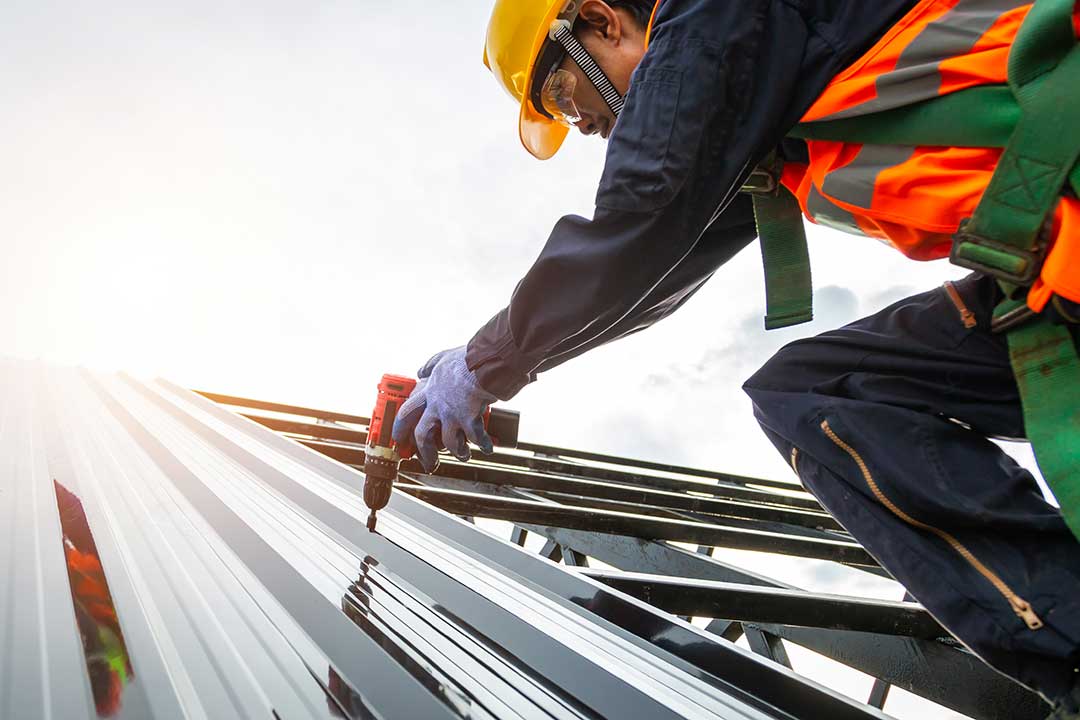
Regular inspection—especially after winter thaw or heavy wind—is crucial for keeping problems from growing unnoticed.
How Can Residents Assess Their Own Roof’s Efficiency?
Buffalo, NY homeowners can start by surveying for visible issues and using their utility bills as a guide. Signs of inefficiency include rapid icicle formation, uneven snow melt on the roof, drafty top-floor rooms, or unexplained increases in heating and cooling costs.
Simple steps for self-assessment:
- Check attic insulation depth and condition (a ruler can quickly show if insulation has compacted or shifted)
- Look for signs of water staining, mold, or mildew in the attic
- Examine the roof surface from the ground for missing or curled shingles
- On a cold day, feel for cold air drafts around attic hatches, recessed lighting, or ceiling-based vents
For more detailed analysis, thermal cameras or infrared thermometers—sometimes borrowed from a local library or utility efficiency program—can show areas of heat loss.
Are Energy-Efficient Roof Upgrades Worthwhile for Older Homes?
Many Buffalo homes were built before modern building codes emphasized energy performance. For these houses, upgrading roof insulation, adding or improving ventilation, or considering a roofing overlay with better materials can make a substantial difference.
Upgrades are particularly valuable if:
- The existing roof is nearing the end of its useful life
- Attic insulation is thin or missing
- Ventilation is limited or nonfunctional
- Heating or cooling costs remain high despite efficient windows and weatherstripping
Efficiency improvements often lead to both lower energy bills and increased indoor comfort, even during the most challenging cold snaps or muggy spells.
