
Why Does Roof Longevity Matter in Buffalo, NY?
Roof life isn’t just about preventing leaks—it’s about protecting everything under your roof from harsh seasons and reducing home repair costs. In Buffalo, NY, roofs face heavy snow, ice dams, wind, and frequent freeze-thaw cycles each year. These factors make understanding local roof longevity a key issue for residents seeking to avoid premature major repairs and high utility bills.
How Can Snow and Ice Affect Your Roof?
Snow and ice weigh heavily on local roofs each winter and can cause structural stress, ice dams, and water intrusion. When snow sits on shingles, ice can form at the edges (ice dams), trapping melting water on the roof and forcing it under the shingles.
To minimize winter damage:
- Remove excess snow from the lower few feet of your roof using a roof rake (from the ground, not the roof itself).
- Make sure attic insulation and ventilation are adequate, which keeps your roof surface cold and reduces ice dam formation.
- Check gutters and downspouts before winter to ensure melting snow can flow freely.
What Are the Basics of Regular Roof Maintenance?
Routine maintenance is the simplest way to extend roof life, but many homeowners overlook it. Inspections twice a year—spring and fall—help spot minor issues before they create costly problems.
During inspection:
- Look for damaged or missing shingles, popped nails, or signs of sagging.
- Clean gutters and remove debris—clogged gutters cause water to back up and damage shingles and fascia.
- Observe attic ceilings for water stains, which signal leaks or ventilation issues.
Fixing minor problems as they arise, rather than putting them off, can save both money and future headaches.
How Does Local Climate Influence Roof Care?
Western New York’s frequent freeze-thaw cycles cause shingles to expand and contract, encouraging small cracks to grow larger over time. Summer humidity and heavy thunderstorms can also affect roof health.
Practical climate-based advice:
- Keep an eye on flashing (the metal pieces around chimneys, vents, and skylights), as expansion and contraction often loosen these over time.
- Trim overhanging branches—wind-blown limbs can scrape shingles or break off under snow load.
- After severe weather, take a quick visual check from the ground for obvious storm damage.
Are There Common Misconceptions About Roof Preservation?
A few myths can hinder local efforts to prolong roof life:
- Myth: Power washing removes all roof debris safely. In fact, high pressure may strip granules from shingles, making them wear out faster.
- Myth: Dark streaks are only cosmetic. Algae or moss buildup can shorten roof life by trapping moisture in shingles.
- Myth: “Out of sight, out of mind.” Just because a roof isn’t leaking doesn’t mean damage isn’t forming, especially after storms or heavy snows.
What Role Do Attic Insulation and Ventilation Play?
Proper attic insulation and ventilation are often overlooked, but they matter as much as roof surface maintenance. Insulation keeps warm air inside your living space, not your attic. Ventilation ensures humid air doesn’t get trapped, reducing the risk of condensation and wood rot.
Buffalo’s winters make these steps crucial:
- Check that vent openings in soffits and ridges are clear and not blocked by insulation or debris.
- Consider adding insulation if you notice unusually rapid icicle or ice dam formation.
- During cold snaps, check attic temperatures—they should match outdoor conditions, which keeps snow from melting unevenly on the roof.
How Should You Address Small Repairs Yourself?
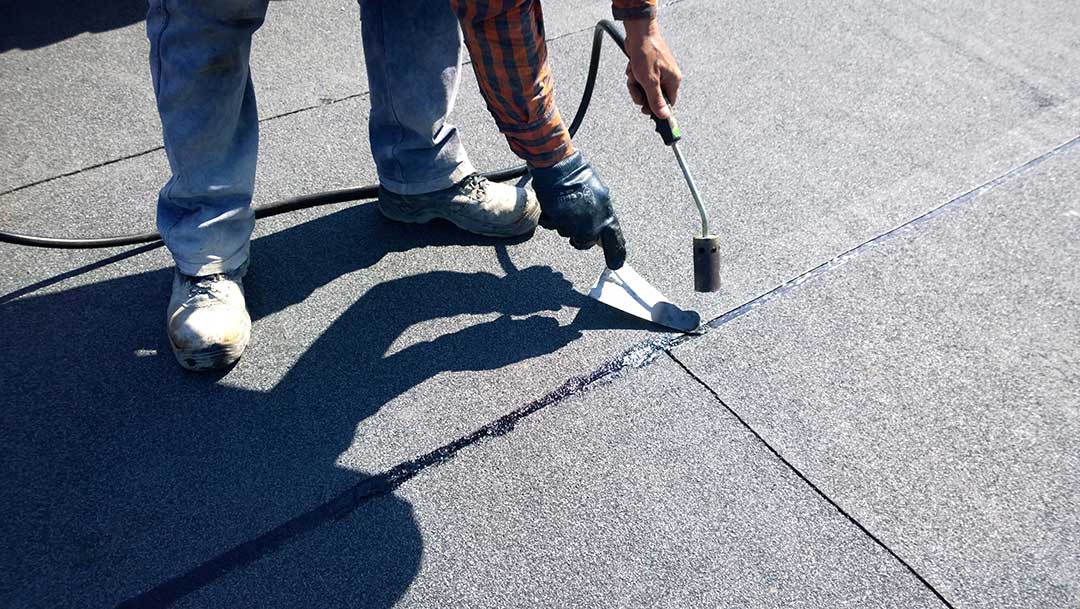
Many small roof issues, such as replacing a few damaged shingles or resealing flashing, can be handled by detail-oriented homeowners with appropriate safety gear and know-how. However, never walk on icy, wet, or steep sections of the roof.
Tackle these tasks when:
- The roof is dry and safe to access.
- The weather forecast is clear—cold, wet, or windy conditions make repairs risky.
- You’re comfortable identifying problems such as cracked shingles or loose fasteners.
Safety always comes first. If there’s any risk of a fall, or if you suspect major structural (decking) damage, leaving repairs for trained professionals is best for your own well-being.
How Can Roof Color and Material Choices Impact Longevity?
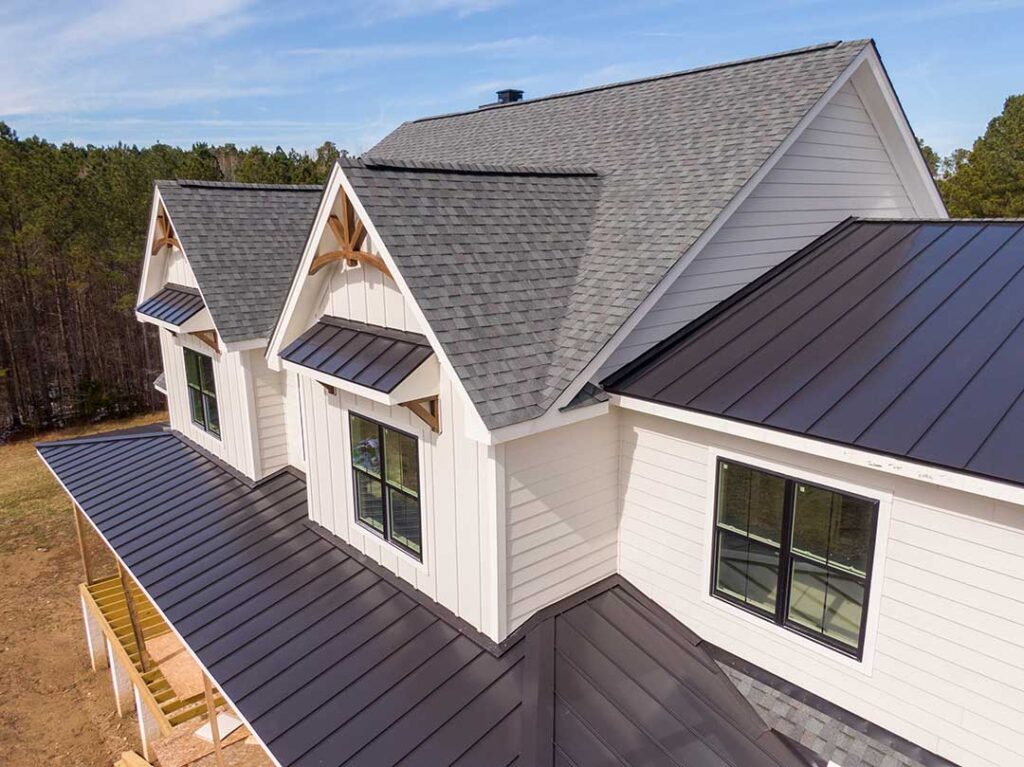
Choosing appropriate roofing materials for the Northeast climate can add years to a roof’s life. Certain colors and shingle types manage thermal expansion better and shed snow more easily.
Local experience suggests:
- Lighter-colored shingles reflect more summer heat, slowing wear, but also melt snow more slowly.
- Architectural asphalt shingles tend to outlast traditional flat shingles in harsh weather.
- Metal roofing sheds snow more effectively, but also requires correct installation to prevent ice slips and wind-driven leaks.
Material selection is typically made during major replacements or new builds, but understanding the pros and cons of each type can help set realistic expectations for lifespan and maintenance needs.
What Should Residents Include in Their Roof Care Routine?
A sensible annual checklist helps keep unexpected problems at bay:
- Spring: Remove leftover winter debris, look for popped nails or fresh leaks.
- Summer: Check flashing, seal exposed fasteners, trim nearby trees.
- Fall: Clean gutters, inspect for missing shingles before snow sets in, review attic insulation and ventilation.
- After storms: Scan for missing shingles or new debris from the ground.
Taking these steps on a routine basis aligns well with Buffalo’s seasonal demands and extends the useful life of most residential roofs.
