
What Usually Causes Roof Leaks in Buffalo, NY?
Leaks are typically triggered by a few key factors, influenced by weather, roof age, and maintenance habits. In Buffalo, NY, freeze-thaw cycles, heavy lake-effect snowfall, and aging building stock make some causes more likely than others. While some issues are visible, many remain hidden until damage becomes obvious inside the home.
How Do Weather Patterns Impact Local Roofs?
Roof leaks in the city often trace back to the region’s harsh winter weather. Significant snow loads, followed by warming spells, can cause:
- Ice Dams: Melting snow refreezes at the eaves, preventing proper drainage. Pooling water then works its way beneath shingles or flashing.
- Freeze-Thaw Expansion: Repeated cycles can expand small cracks in roofing materials, making leaks more likely each spring.
Additionally, heavy winds and rain in all seasons can loosen shingles, expose seams, or force water into vulnerable areas.
Where Do Most Leaks Start? Common Weak Spots
Leaks most often originate at points where water can infiltrate easily due to gaps, wear, or faulty installation. In Buffalo, typical problem areas include:
- Chimney and Skylight Flashing: Flashing seals around chimneys and skylights are prone to corrosion, displacement, or sealant failure, letting water seep in.
- Roof Valleys: Where two roof sections meet, water flows more intensely. Older valleys or those with debris buildup may see water back up and slip beneath roofing layers.
- Vent Pipes and Plumbing Boots: The rubber or metal boots sealing around vent pipes can degrade after harsh winters, cracking and allowing leaks.
- Missing or Damaged Shingles: Strong winds and storm activity can lift, break, or remove shingles, leaving the lower roof layers exposed.
Often, leaks begin as small drips over months or years before becoming apparent indoors.
Why Do Older Roofs in the City Leak More Frequently?
Many homes in the area feature original or decades-old roofing systems. As roofing materials age, they lose flexibility and their protective granules wear off. Older construction may also use outdated installation techniques or materials that don’t meet today’s standards, contributing to:
- Worn shingles that let water pass through
- Brittle sealants and flashing
- Plywood decking weakened by previous moisture intrusion
- Layered-over roof coverings that trap moisture beneath
If a roof is nearing the end of its expected lifespan—often 20-30 years for asphalt shingles—leak risk increases, especially after heavy winters.
Can Routine Maintenance Prevent Leaks?
Regular upkeep is among the most effective ways to avoid leaks in Buffalo. Attention to roof health helps spot trouble before interior water damage occurs:
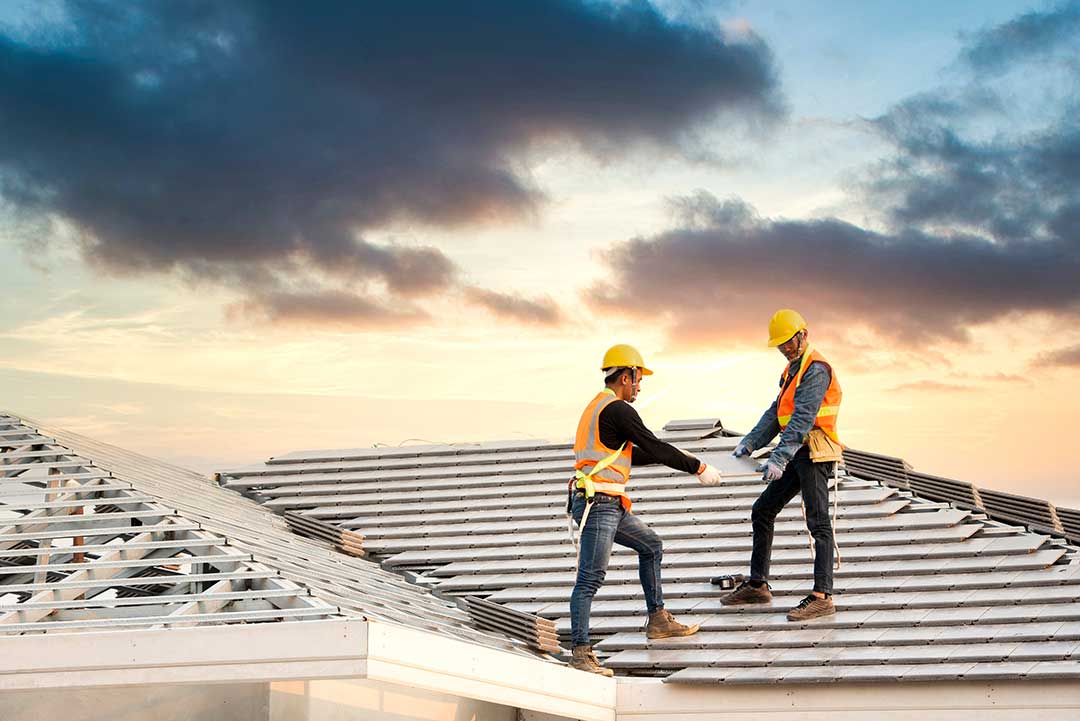
- Seasonal Inspections: Checking after winter and before fall can help discover missing shingles, cracked caulking, and ice dam damage.
- Gutter Cleaning: Clearing gutters and downspouts ensures that meltwater and rain are safely routed away from the roof edge.
- Attic Checks: Musty smells, damp insulation, or mold along rafters may point to slow leaks from above.
- Removing Debris: Leaves, twigs, and moss in valleys or along roof surfaces can hold moisture, accelerating deterioration.
Neglecting these steps allows minor problems to escalate into expensive repairs.
Are Flat Roofs in Buffalo Prone to Leaks?
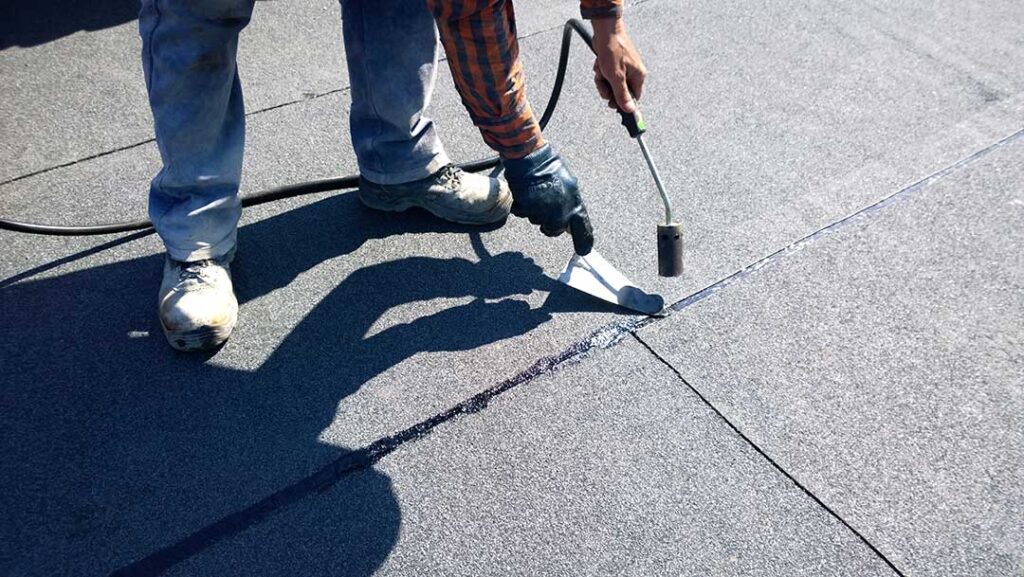
Flat or low-slope roofs, common on some older multi-family and commercial structures, are especially vulnerable. These roofs shed water less efficiently and often have aging membranes or poor drainage. Even a small tear or puncture in the waterproofing material can allow significant seepage after snow melt or rainstorms.
What Misconceptions Might Lead to Overlooking Leaks?
Many homeowners believe leaks only happen if shingles are visibly missing or curled. In reality, water almost always finds a path through the smallest gap or worn seal. Some common misunderstandings include:
- Assuming water stains must appear directly under the leak source—water can travel along rafters and drip far from its entry point.
- Believing newer roofs are immune; improper installation or storm damage can cause leaks on younger roofs as well.
- Overlooking the attic after a winter thaw, missing signs of early-stage moisture.
Recognizing these misconceptions can prompt earlier and more effective attention to risk areas.
When Should Safety Be a Concern?
While many leak causes are straightforward to spot from the ground or attic, repairing them often involves working at heights and handling fragile or icy surfaces. Snow or ice removal and complex repairs should be approached with caution and using proper safety equipment. Some tasks, such as replacing major flashing or repairing structural decking, may require training or legal compliance, especially in multi-unit or historic properties.
