
What Are Early Signs of Roof Trouble in Buffalo, NY?
Even the toughest roofs face challenges from heavy snow, wind, dramatic temperature swings, and lake-effect storms. In Buffalo, NY, early signs of roof damage often begin subtly—making regular, aware inspections just as important as seasonal snow removal.
Surface-level wear, new water stains indoors, or minor shingle issues often signal underlying concerns. Recognizing these early indicators can prevent more serious leaks, insulation problems, or structural deterioration.
How Can Changes on Shingles Hint at Larger Issues?
Visual inspection from the ground or an upstairs window may reveal:
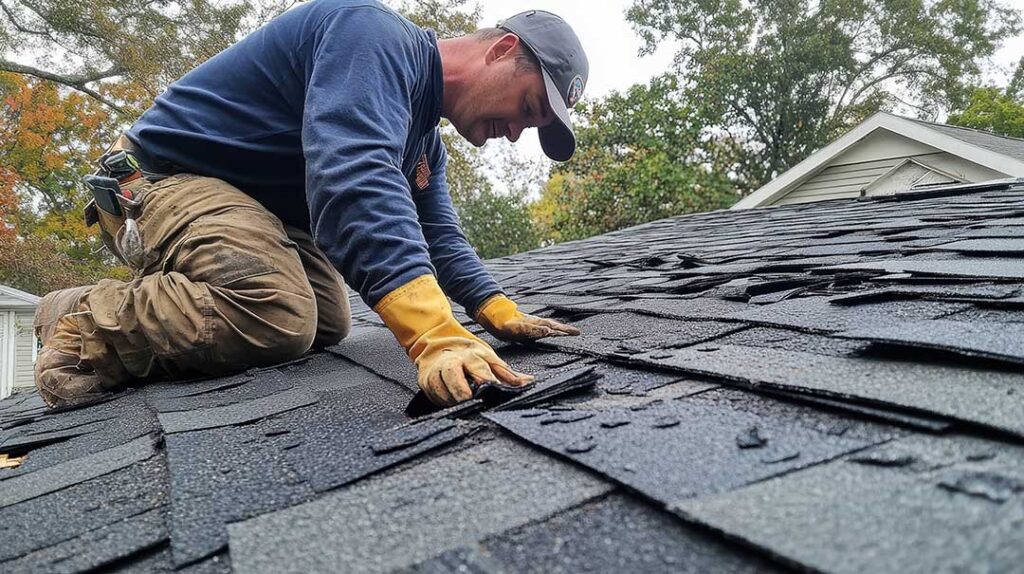
- Lifting, Curling, or Buckling Shingles: Shingles distorted by wind, ice dams, or freeze-thaw cycles often point to compromised water protection, especially on roof edges and north-facing slopes, which retain snow longer.
- Granule Loss: Gutters filling with granules signal shingles are wearing out, which can occur faster in areas battered by blowing snow and winter sleet.
- Cracked or Missing Shingles: These weak points, common after winter storms or spring wind events, leave the underlayment exposed.
- Differences in Shingle Color or Texture: Patches look newer or faded, which might indicate recent repairs, older repairs failing, or vulnerable spots.
Damage may not look dramatic—small changes building up over time can signal the need for closer attention.
Are Indoor Signs as Telling as Exterior Ones?
Interior changes often reveal roof issues that aren’t obvious from outdoors. Pay attention to:
- Ceiling or Wall Stains: Yellow, brown, or damp-looking spots can mark water infiltrating during snow melt or ice damming.
- Peeling Paint or Bubbling Wallpaper: These changes, particularly near the attic or upper floors, often result from moisture seeping in.
- Unexpected Drafts or Cold Spots: During Buffalo’s colder months, warm air escaping through roof leaks may chill upper rooms more than usual—sometimes before obvious water damage appears.
- Mildew Odor: Persistent musty smells in the attic or upper floors could stem from trapped moisture or inadequate attic ventilation.
Indoor clues are valuable in brick homes, older houses, or those with complex rooflines, where exterior symptoms take longer to show.
How Does Seasonal Weather in Buffalo Affect Roof Damage?
Buffalo, NY’s climate creates unique stress points:
- Heavy Snow Load: Repeated snow and ice accumulation adds significant weight and may force water under shingles, especially when snow melts during the day and refreezes overnight.
- Ice Dams: Ice building up on eaves blocks water’s path off the roof. This creates leaks into attic spaces or interior walls, often signaled first by water stains or icicles growing in unusual patterns.
- Wind-Driven Rain and Lake-Effect Storms: Sudden, sideways rain can sneak beneath damaged, loose, or missing flashing around chimneys, vents, or skylights, and quickly test weak spots.
Local households sometimes overlook these climate-specific risks, focusing on visible ice but missing hidden water intrusion.
What Overlooked Details Should Residents Check Regularly?
Beyond obvious shingle issues, look for:
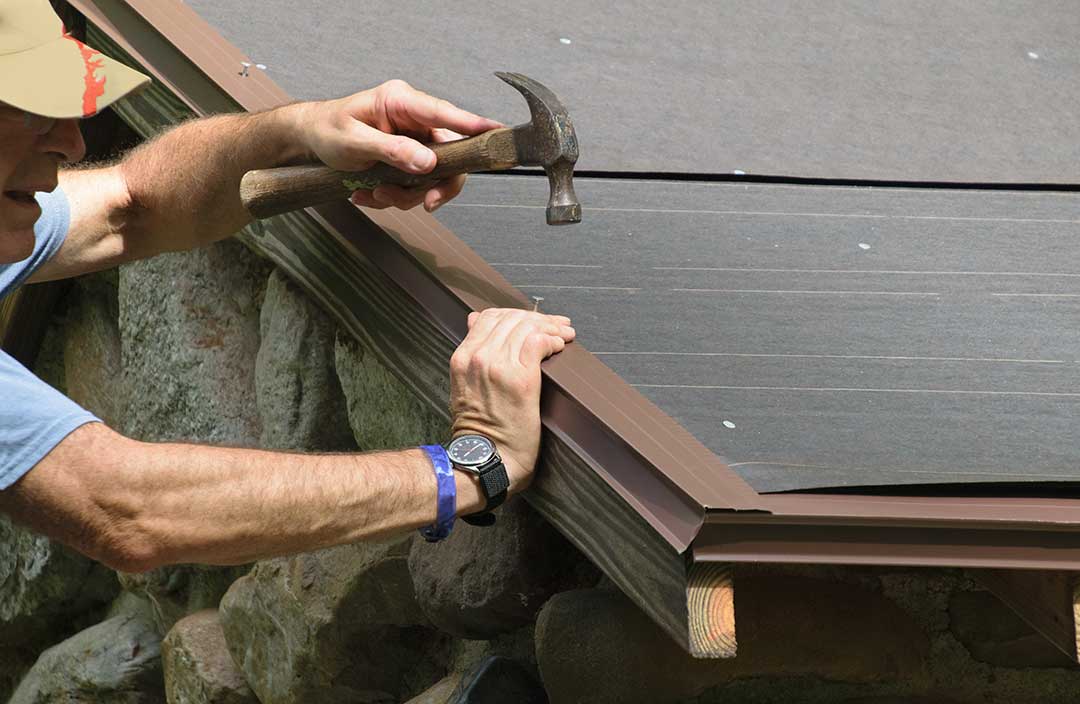
- Damaged or Loose Flashing: Metal flashing around chimneys, skylights, and valleys is susceptible to wind and freeze-thaw movement. Gaps or rust can open a direct path for water.
- Blocked or Detached Gutters: Overflowing or ice-blocked gutters keep water on the roof, raising the risk of seepage at the edges and worsening ice dams.
- Exposed Nail Heads: Nails lifting after cycles of freezing and thawing create minor but critical entry points for water.
- Attic Insulation and Ventilation: Insufficient insulation or poor airflow causes uneven roof temperatures—one of the main contributors to early ice dam formation and shingle deterioration.
Residents unsure of what to look for might carry a notepad and record small changes—these notes can help compare conditions through the seasons.
Are There Any Early Signs Specific to Older Homes in Buffalo?
Yes, older homes in the community may have:
- Outdated Roofing Materials: Older slate or wood shakes become brittle and less tolerant of Buffalo’s harsh winters.
- Sagging or Uneven Rooflines: Large snow loads can gradually deform roof frames, especially in historic districts where construction methods differ from today’s standards.
- Multiple Layers of Roofing: Many older homes have new materials layered over old, which can trap moisture, leading to leaks that manifest as persistent indoor dampness or ceiling warping.
- Historic Flashing or Chimney Caps: Traditional materials may not perform as well against modern weather extremes.
Local residents often trust the character of older architecture but may delay roof checks, increasing risk of major structural issues.
Common Misconceptions That Lead to Overlooked Damage
Several beliefs can delay necessary repairs or checks:
- Assuming Small Leaks Will Stay Small: Drips or stains frequently worsen between freeze-thaw cycles.
- Believing Ice Dams Only Happen in Harsh Winters: Even small thaws can start the cycle, so preventative attic checks are important every winter.
- Relying Only on Roof Age: A newer roof may still suffer damage from a single severe storm, while an older roof that’s frequently inspected might avoid serious trouble longer.
Ignoring minor issues in favor of only “major” repairs can turn a small fix into a large, costly problem, especially after a hard winter.
What Should Residents Avoid During Self-Inspection?
For household safety and accurate assessment:
- Don’t Climb on the Roof in Icy or Windy Conditions: These are especially risky periods for slips or further damaging fragile shingles.
- Avoid Using Metal Tools to Remove Ice: This often damages the roofing directly.
- Don’t Overlook Small Gutter Issues: Even modest debris or ice can quickly cause overflow and water intrusion during Buffalo’s winter or spring transition.
A visual inspection with binoculars from the ground, paired with periodic attic and ceiling checks, is usually enough to catch early signs safely.
