

How Can You Recognize That a Roof Is Nearing the End of Its Life?
A roof doesn’t last forever, especially in Buffalo, NY where heavy snow, ice, and wide temperature swings put unique stress on roofing materials. Signs that a roof is due for replacement often start subtly. Typical asphalt shingle roofs in the city last around 20-30 years, but local climate may shorten this lifespan.
Visual clues include:
- Curling, cracked, or missing shingles
- Granules piling up in gutters
- Noticeable sagging, especially between rafters
- Moss or algae growth, which can indicate moisture problems
Sometimes, the age of your roof is the simplest indicator. If it’s been installed since the last major blizzard or before the 2000s, it’s wise to keep a close eye on these symptoms, even if there are no leaks yet.
Does Local Weather Make a Difference?
Absolutely—roofs in the city face more freeze-thaw cycles, heavy snowfall, and wind-driven rain than much of the country. This means layers of ice can back up under shingles, causing hidden leaks even when the roof looks intact. Repeated winter storms may also lead to more lost shingles or ice dams at the eaves.
Local residents should watch for:
- Ice damming at gutters after snow
- Water spots in attics or on upper ceilings during melt cycles
- Unusual amounts of roof debris in yards after strong winds
A roofing material that might last decades in milder climates will usually need replacing sooner in this region.
What Are the Most Common Signs of Roof Failure in Area Homes?
Besides missing or worn shingles, Buffalo roofs may reveal interior symptoms:
- Water stains on bedroom and attic ceilings
- Peeling paint or bubbling wall coverings, especially near the roofline
- Sudden increases in heating bills due to lost insulation value
Neglected chimney flashing, clogged valleys, or degraded underlayment can all allow water to seep in unnoticed. In older neighborhoods with steep roofs, patching areas with recurrent leaks may only be a temporary solution.
When Should You Worry About Leaks or Water Stains?
A single small leak after a severe storm may only need a targeted repair. But widespread staining, repeated leaks, or musty smells are bigger warning signs that underlayment or decking is failing. The freeze-thaw cycle can worsen small roof punctures each season, eventually turning minor issues into major ones.
If you spot water damage, check:
- Whether stains reappear shortly after rain or snow melts
- If dampness is limited to a single spot (which may indicate flashing failure) or is widespread (potentially a larger roof failure)
- Attic insulation and rafters for signs of active moisture
Persistent leaks usually signal that replacement, not just repair, is needed.
Are There Issues Unique to Flat or Low-Slope Roofs in Buffalo?
Many residential and smaller commercial buildings across the city have low-slope or nearly flat roofs, especially in denser neighborhoods. These are particularly vulnerable to standing water, snow load, and membrane bubbles or tears.
Key warning signs for flat roofs:
- Persistent puddling after rain or long snow melts
- Alligatoring—cracked, drying roof surface
- Separated seams or visible membrane layers
- New drips or leaks along exterior walls
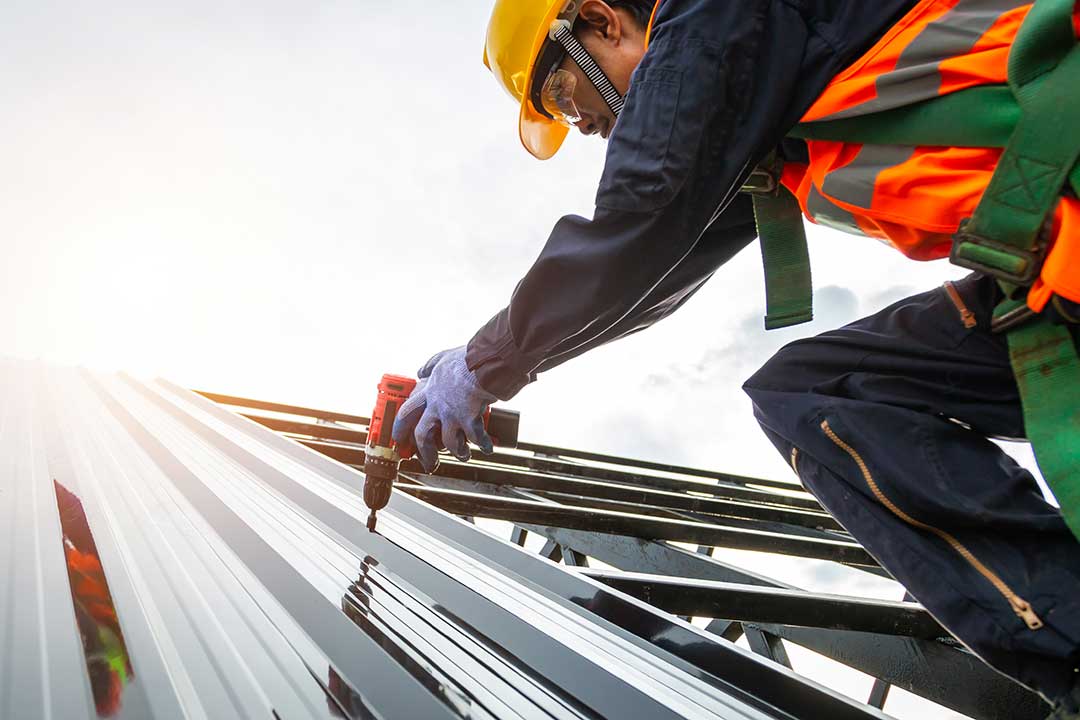
Flat roofs generally require more frequent inspections and may need full replacement sooner than pitched roofs in the local climate.
How Do Ice Dams Impact Roofing Longevity?
Ice dams form when melting snow refreezes at the eaves, keeping water trapped behind a wall of ice. Often, the first sign is icicles forming along gutters. Prolonged damming pushes water up under shingles and into the attic, damaging insulation, ceilings, and even electrical systems.
Common misconceptions include:
- Ice dams only affect poorly insulated homes (in reality, even well-insulated homes can suffer during prolonged cold spells)
- Large roof overhangs prevent ice dams (they may actually make buildup worse by providing a cold area over the eaves)
Regular removal of excess snow with a roof rake and keeping gutters clear can help, but if ice damming is a recurring winter problem, aging roof materials may be to blame.
How Often Should Local Roofs Be Replaced?
Most asphalt shingle roofs in the city will need full replacement every 20-25 years, sometimes sooner if prior repairs were poorly done or severe storms have passed through. Metal roofs can last longer, sometimes up to 40 years, but may face other issues like rust or failed seams.
Other factors impacting roof lifespan in local homes:
- Attic ventilation: Poor airflow shortens roof life
- Tree coverage: Falling branches, accumulating debris, and shady damp spots hasten wear
- Gutter maintenance: Overflow can rot the roof edge and fascia
Routine seasonal checks, especially after harsh winters or major wind events, are the best defense.
What Should Area Residents Consider Before Deciding to Replace Their Roof?
Replacing a roof is a significant project in any city neighborhood. Beyond age and damage, local residents should also consider:
- Insurance requirements and possible incentives for upgrades
- Historical value or aesthetic guidelines in older neighborhoods
- The opportunity to improve ventilation, insulation, or install ice and water shielding during the replacement process
Some residents wait until major failure, but proactive replacement prevents structural damage, mold growth, and costly interior repairs. For safety reasons, repairs or full replacement on steep or high roofs should only be handled by those familiar with safe roofing techniques.
