

Why tree limbs are a roof concern
Tree limbs can damage a roof in several ways, even when no branch has fallen completely through the surface. A limb may scrape shingles, break protective layers, clog drainage systems, or create moisture problems that worsen over time.
In Buffalo, NY, roofs face repeated cycles of snow, ice, wind, rain, and freezing temperatures. Trees near a home can add another source of stress, particularly during storms or when branches become heavy with snow and ice.
The size of a limb matters, but so do its movement, location, and condition. A relatively small branch rubbing against shingles for months may cause more gradual wear than a single falling limb.
What types of damage can branches cause?
The most visible damage usually comes from impact, but many roof problems caused by trees develop gradually.
Common effects include:
- Cracked, torn, or missing shingles
- Punctures in roofing membranes
- Damaged flashing around chimneys, vents, and roof edges
- Bent or broken gutters and downspouts
- Scraped granules from asphalt shingles
- Loosened ridge caps or exposed fasteners
- Damage to soffits, fascia, skylights, or roof-mounted equipment
- Blocked drainage paths that allow water to collect
A large limb may also shift roofing materials without creating an obvious hole. Small gaps can let water enter during wind-driven rain or melting snow. Water may then travel beneath the visible area of damage before appearing on a ceiling or wall.
Branches that land near the roof edge can create a second problem. Their weight may pull on gutters, loosen fascia boards, or damage the trim that helps direct water away from the building.
Can rubbing branches damage shingles without falling?
Yes. Repeated contact can wear away the surface of shingles and expose the underlying material.
Wind causes branches to move back and forth against the roof. Over time, this motion can remove protective granules, scratch the shingle surface, lift edges, or break the seal that helps shingles resist wind. Damage may be concentrated in one area, making it easy to miss from the ground.
Rubbing branches can also leave behind leaves, bark, and small twigs. These materials hold moisture against the roof and may slow drying after rain or snowmelt. If the branch touches a roof valley or drainage area, debris can interfere with the movement of water.
The problem may be especially difficult to notice during winter. Snow can cover broken shingles, while freezing temperatures may prevent water from immediately reaching the interior.
Why are snow and ice especially important?
Snow and ice increase the load on both trees and roofs. A branch that appears stable during dry weather may bend or break after a heavy snowfall. Ice accumulation can add substantial weight to smaller limbs, particularly those extending over a roof.
A falling limb does not need to be large to cause damage if it lands on a vulnerable feature. Skylights, vents, chimney caps, gutters, and roof edges can be affected by a branch that might not seriously damage the main roof surface.
After a winter storm, residents may notice:
- Freshly broken branches near the roof
- New dents or cracks in shingles
- Gutters pulling away from the roofline
- Water stains on ceilings or upper walls
- Unusual daylight visible in an attic
- A branch resting on the roof or caught in overhead lines
A branch touching a power line should never be moved by hand. Electrical hazards can remain even when a line appears inactive or undamaged.
Which roof areas are most vulnerable?
Roof edges, valleys, and roof penetrations tend to require closer attention after limb contact.
Roof edges are exposed to falling branches and often connect directly to gutters, fascia, and soffits. Valleys collect water and debris, so leaves and twigs can create blockages there. Areas around chimneys, plumbing vents, skylights, and other penetrations rely on flashing that can bend or separate after impact.
Low-slope sections may also be vulnerable because standing water can remain longer when debris blocks drainage. On steep roofs, branches may slide downward and damage gutters, trim, or lower roof sections.
Homes with mature trees close to the structure should also be checked for limbs that extend over the roof, especially deadwood, cracked branches, or limbs attached to visibly weakened trunks.
How can residents inspect for damage safely?
A ground-level inspection is useful, but it cannot reveal every problem. Start by looking for changes that were not present before the storm.
From the ground, check for:
- Missing, curled, lifted, or uneven shingles
- Freshly scattered roofing granules near downspouts
- Broken branches resting on the roof
- Sagging gutters or detached downspouts
- Damaged fascia, soffits, or siding
- Dark stains or water marks on exterior walls
- New leaks, damp insulation, or ceiling discoloration indoors
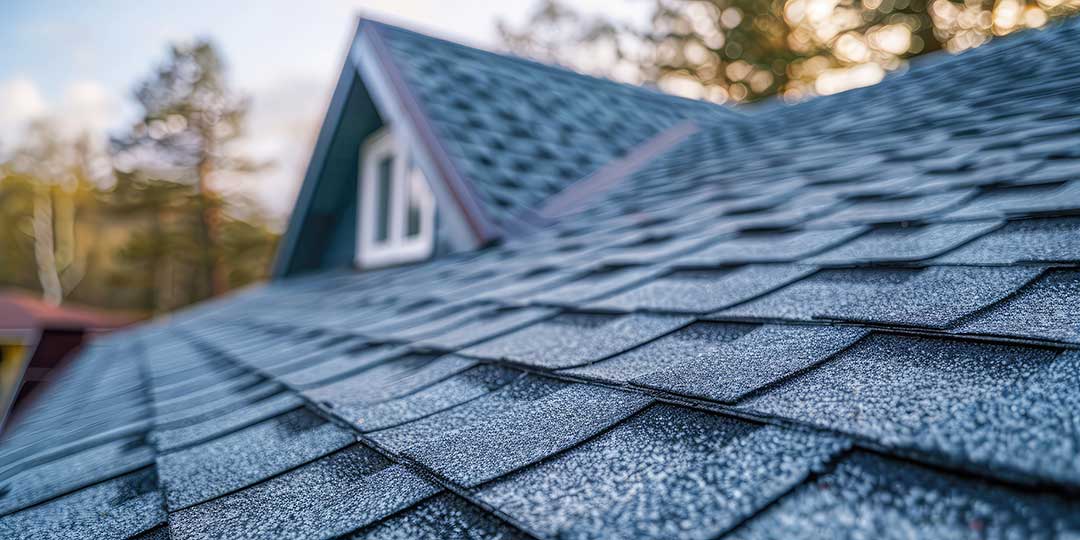
A pair of binoculars can help identify damage without requiring anyone to climb onto the roof. Walking on shingles can cause additional damage and is particularly risky when the surface is wet, icy, or covered with debris.
Inside the attic, look for daylight through the roof deck, wet insulation, damp wood, or water trails. A leak may not appear directly below the damaged shingle because water can travel along rafters and roof decking.
Should a branch be removed immediately?
A branch should be removed promptly if it is resting on the roof, pressing against shingles, blocking drainage, or likely to fall. However, removal can be hazardous when the limb is large, under tension, entangled with other branches, or close to utility lines.
Cutting a branch incorrectly can cause it to swing, roll, or release stored tension unexpectedly. A damaged tree may also be unstable after high winds or saturated soil. For those reasons, hazardous limb removal is one of the situations where specialized assistance may be necessary for safety.
Small loose twigs on the ground are generally less urgent than a limb suspended above the roof. The priority is to address conditions that threaten people, electrical systems, or the building itself.
Does homeowner insurance cover tree-limb damage?
Coverage depends on the policy, the cause of damage, and the circumstances surrounding the event. Sudden damage from a storm may be treated differently from gradual deterioration caused by poor maintenance, rot, or long-term branch contact.
A policy may also distinguish between damage to the roof and the cost of removing a fallen tree. Deductibles, exclusions, limits, and responsibilities for nearby property can vary considerably.
Before discarding damaged materials, it is sensible to document the condition with dated photographs from safe locations. Pictures of the branch, roof area, gutters, interior stains, and surrounding conditions can help preserve an accurate record.
How can tree-related roof damage be reduced?
Prevention begins with keeping branches from repeatedly contacting the roof. Trees should be observed seasonally, especially before periods of heavy snow, ice, and strong wind.
Useful precautions include:
- Watch for dead, cracked, or hanging branches near the roof.
- Keep limbs from resting on shingles, gutters, or utility lines.
- Remove accumulated leaves and twigs from valleys and drainage areas.
- Inspect the roof after major wind, snow, or ice events.
- Keep attic ventilation and insulation in good condition so minor moisture problems are easier to identify.
- Do not use a ladder near unstable branches or overhead electrical lines.
Tree growth also changes over time. A limb that was safely clear of the roof several years ago may now scrape shingles or block a gutter. Periodic observation can identify that change before it becomes storm damage.
